Kale
Cold-hardy, low-calorie, and ranked among the most nutrient-dense foods ever measured.
Bone Health
Vision
Detox
Kale is a leafy green that is high in vitamins A, C, K, and several minerals like manganese and copper. It’s known for its antioxidant and anti-inflammatory properties. Kale chips, salads, and smoothies are just a few ways to enjoy this superfood.
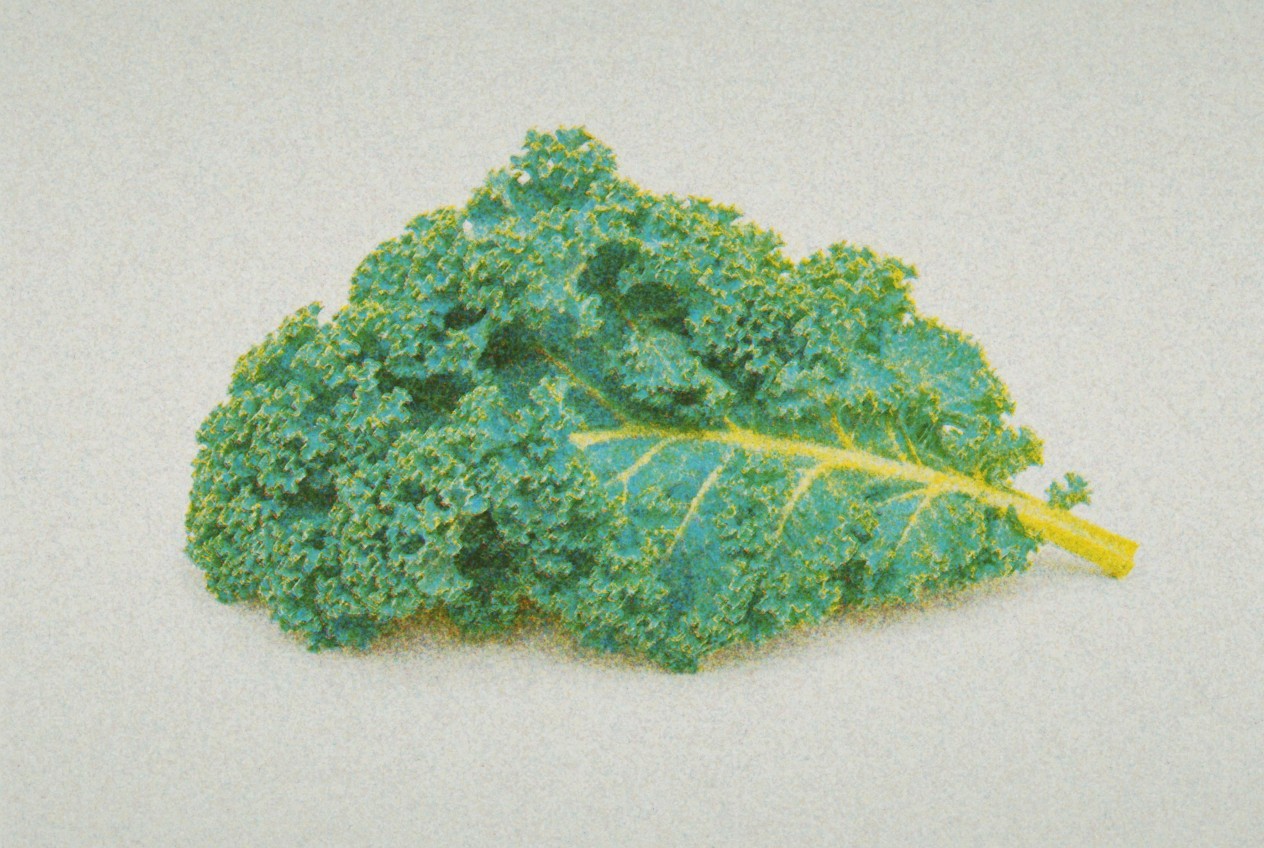
Kale
Nutrition Facts
Per
1 cup raw, chopped (67g)
Calories
33
Vitamin K
393%
Vitamin A
37%
Vitamin C
89%
Vitamin B12
0%
Vitamin D
0%
Iron
5%
Magnesium
7%
Potassium
7%
Calcium
8%
Fiber
2.4g
Nutrition Highlights
Anthocyanins, healthy fats, fiber
Fuhrman ANDI chart (confirmed alongside collard greens, mustard greens, watercress)
Nutrition Density Score (ANDI Score)
1000
Standard, well-documented food — figures reflect typical USDA-reported values
Prep Tip
Massage raw leaves with a little olive oil for a few minutes, or steam briefly — both break down tough cell walls and roughly triple absorption of vitamin K and carotenoids.
Absorption Boost
Olive oil or any fat — vitamin K and carotenoids are fat-soluble
Black pepper (piperine) — boosts absorption of fat-soluble antioxidants
Use Caution If
You take warfarin or other blood thinners — keep intake consistent rather than spiking it
You have hypothyroidism — raw kale's goitrogens may reduce iodine uptake; cooking deactivates most of this
Storage
Refrigerate unwashed in a perforated bag for 5–7 days; freezes well after a quick blanch.
Biomarkers to Track
Subjective
(Daily)
Energy and digestion comfort
Visual comfort in low light
Objective
(Quarterly)
Vitamin K and INR status
TSH and thyroid panel