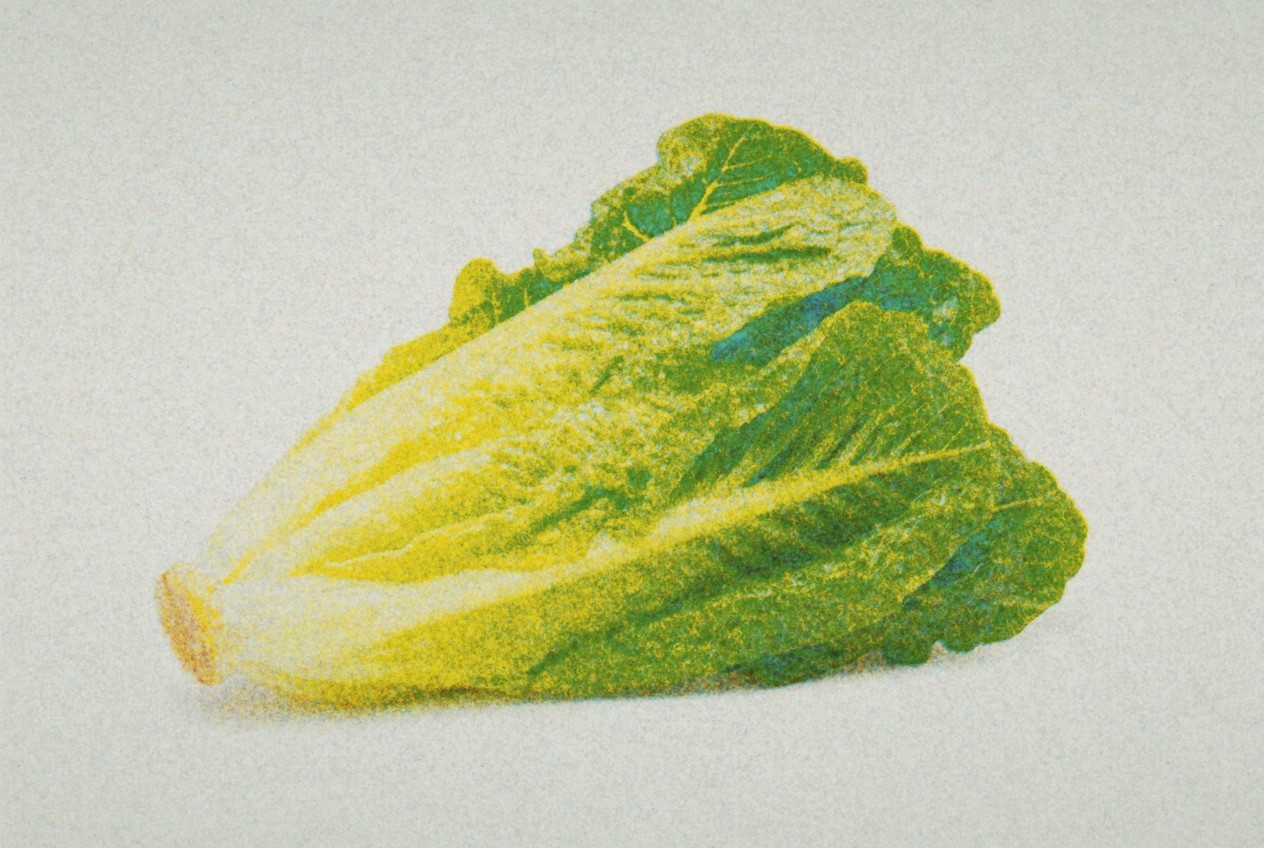
Detox
Rutabaga
A cross between cabbage and turnip, this root vegetable has a milder cruciferous profile in a dense, starchy package.
Detox
Gut Health
Immunity
Serving
1 cup, cubed, cooked (170g)
Calories Per Serving
51
Key nutrients
Vitamin C, potassium, fiber, glucosinolates
Nutrient density
Not officially rated
Why it’s worth eating
Rutabaga is rich in vitamin C, potassium, and fiber. It supports digestion and immune function. Roast, mash, or use in hearty soups and stews.
What you may notice
Digestive comfort
Energy stability
Markers worth tracking
Fasting blood glucose
TSH and thyroid panel
How to eat it
Roast or mash like a potato substitute, rutabaga holds up well to high heat and takes on flavors easily.
Pairs well with
Healthy fats (butter, oil), classic with mashed or roasted rutabaga, also aids nutrient absorption
Other root vegetables, pairs well in a mixed roast for varied nutrients
Storage
Store in a cool, dark place for weeks, or refrigerate in a perforated bag.
The numbers, per 1 cup, cubed, cooked (170g)
0%
Vitamin K
0%
Vitamin A
35%
Vitamin C
5%
Calcium
4%
Iron
7%
Magnesium
11%
Potassium
0%
Vitamin B12
0%
Vitamin D
Fiber
3.4g
Rutabagas, cooked, boiled, drained (FDC 170441)
Evidence
D
HONEST FLAG: composition-only, no clinical trials.
Study dose vs. serving
No established benefit dose.
No rutabaga-specific outcome trial located.
Use caution if
You have hypothyroidism, contains goitrogenic compounds; cooking reduces this
You're managing carbohydrate intake closely, starchier than most non-root cruciferous vegetables
Details
Type
Fruits & Veg
Season
Autumn-winter, cold-hardy, stores well
Forms
Fresh, waxed for storage
Price
Budget
Bioactive
Glucosinolates including progoitrin, plus vitamin C
Heat stable
Partial
Watch
Contains progoitrin (see Brussels sprouts goitrin note) - relevant only at very high raw intakes or with iodine deficiency.
Reliability
2 / 5
More for Detox