Immune & Recovery
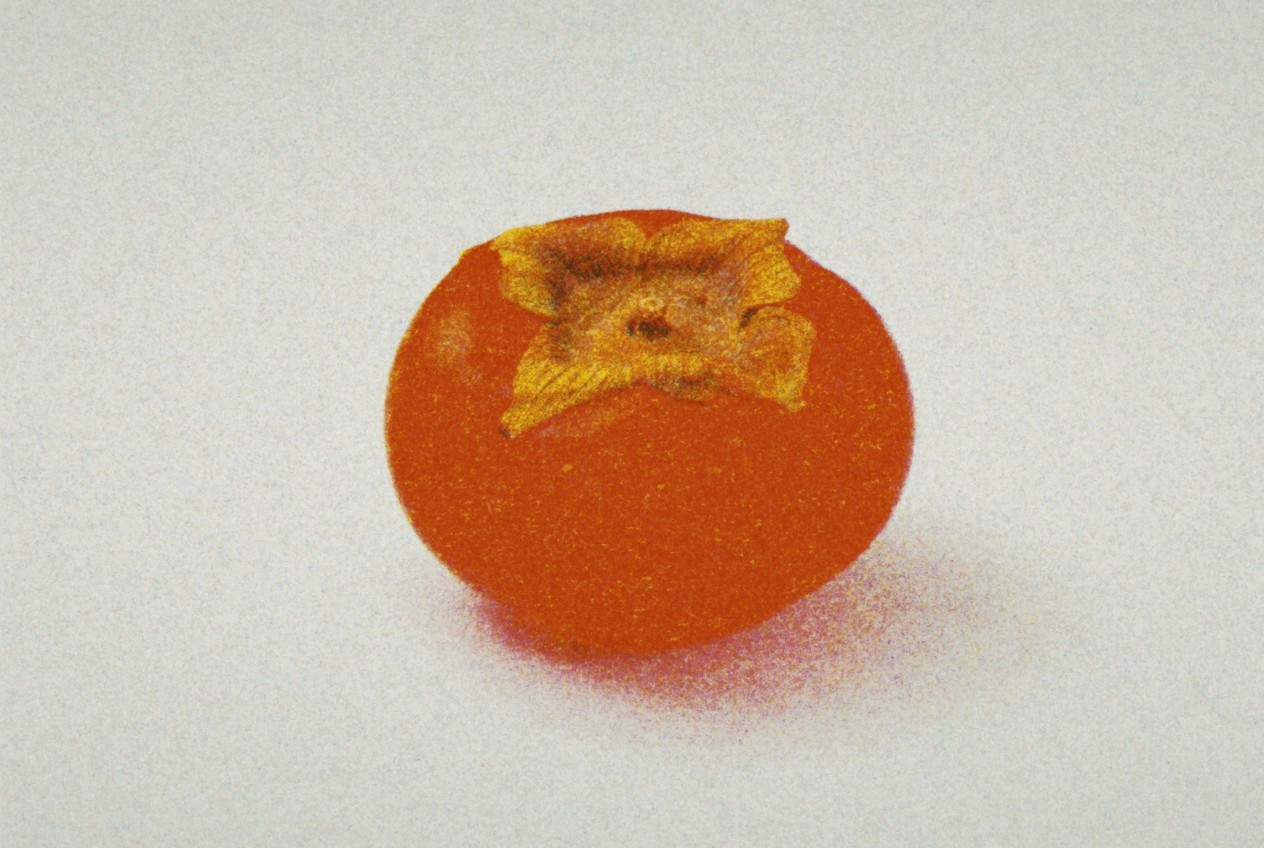
Persimmon
A sweet, orange fruit with a fiber and vitamin A content higher than most common fruits, especially when fully ripe.
Vision
Gut Health
Immunity
Serving
1 fruit (168g)
Calories Per Serving
118
Key nutrients
Fiber, vitamin A, vitamin C, tannins (astringent varieties)
Nutrient density
Not officially rated
Why it’s worth eating
Persimmons are high in vitamins A, C, E, and antioxidants. They support vision and immune health. Eat fresh, dried, or incorporate into desserts.
What you may notice
Digestive comfort
Visual comfort in low light
Markers worth tracking
Vitamin A status
Fasting blood glucose
How to eat it
Let astringent varieties (like Hachiya) fully soften before eating, underripe astringent persimmons are unpleasantly mouth-puckering due to tannins; Fuyu varieties can be eaten firm.
Pairs well with
Healthy fats (yogurt, nuts), helps absorb the fat-soluble vitamin A
Cinnamon, a traditional pairing, especially with dried persimmon
Storage
Ripen astringent varieties at room temperature until soft; refrigerate ripe fruit and use within a few days.
The numbers, per 1 fruit (168g)
4%
Vitamin K
15%
Vitamin A
14%
Vitamin C
1%
Calcium
1%
Iron
4%
Magnesium
6%
Potassium
0%
Vitamin B12
0%
Vitamin D
Fiber
6.0g
Persimmons, japanese, raw (FDC 169941)
Evidence
D
HONEST FLAG: the strongest citable persimmon finding is a SAFETY one, not a health benefit.
Study dose vs. serving
No established benefit dose. Risk rises with unripe or astringent fruit and high intake.
Case reports and series document diospyrobezoar formation, e.g. PMC12256139 and PMC2673384 (an 18-cm gastric diospyrobezoar).
Use caution if
You've had stomach surgery or have slow gastric emptying, unripe persimmons contain tannins rarely linked to digestive blockages (bezoars) in these specific situations
You're managing blood sugar closely, persimmons are fairly high in natural sugar
Details
Type
Fruits & Veg
Season
Autumn to early winter (Oct-Dec)
Forms
Fresh (astringent and non-astringent), dried
Price
Mid
Bioactive
Soluble tannins (shibuol)
Heat stable
Partial - ripening reduces astringency and soluble-tannin content
Watch
DIOSPYROBEZOAR RISK: persimmon soluble tannins polymerise in gastric acid to form hard bezoars that can cause gastric or small-bowel obstruction. Elevated risk with unripe fruit and in people with prior gastric surgery (e.g. Billroth II), diabetes, delayed gastric emptying, or advanced age.
Reliability
3 / 5
More for Immune & Recovery


