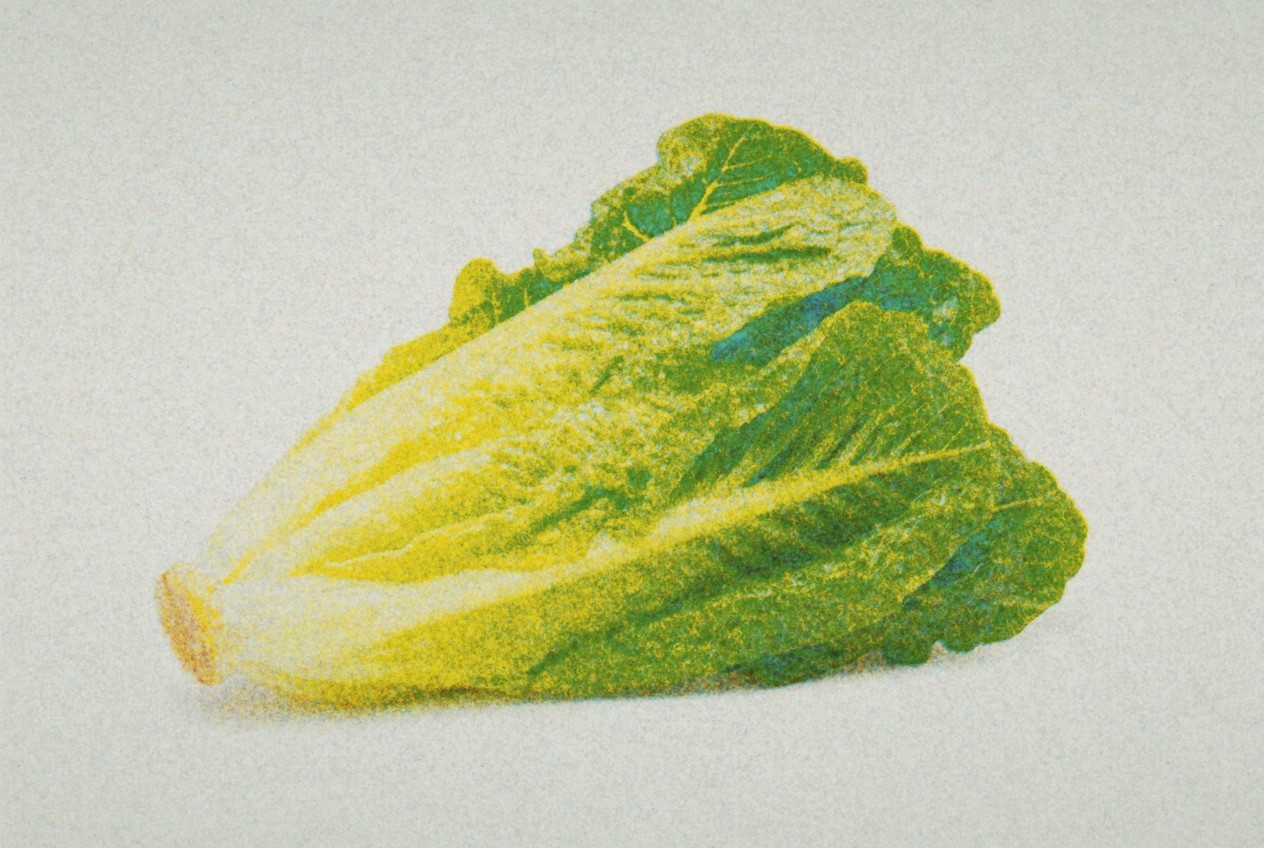
Detox
Parsley
Routinely relegated to garnish duty, but by weight one of the densest sources of vitamin K and iron in the produce aisle.
Detox
Bone Health
Immunity
Serving
1 cup, chopped, raw (60g)
Calories Per Serving
22
Key nutrients
Vitamin K, vitamin C, iron, folate
Nutrient density
Not officially rated
Why it’s worth eating
Parsley is far more than a garnish, by weight, it’s one of the most concentrated vitamin K sources in the produce aisle, alongside meaningful vitamin C and iron. Its volatile oils, including myristicin and apiole, have been studied for antioxidant activity. Use it generously in tabbouleh, chimichurri, or stirred into soups just before serving.
What you may notice
Breath freshness
Digestive comfort
Markers worth tracking
Vitamin K and INR status
Iron panel (ferritin)
How to eat it
Add chopped parsley at the very end of cooking, or use it raw, heat degrades some of its volatile aromatic oils and vitamin C.
Pairs well with
Its own vitamin C content, helps the leaves’ non-heme iron absorb better
Healthy fats, aids absorption of the fat-soluble vitamin K
Storage
Store stems-down in a glass of water in the refrigerator, loosely covered with a bag like a small bouquet; it stays fresh for 1-2 weeks this way.
The numbers, per 1 cup, chopped, raw (60g)
820%
Vitamin K
28%
Vitamin A
89%
Vitamin C
6%
Calcium
21%
Iron
7%
Magnesium
7%
Potassium
0%
Vitamin B12
0%
Vitamin D
Fiber
2.0g
Parsley, fresh (FDC 170416)
Evidence
D
CRITICAL HERB-VERSUS-OIL DISTINCTION: culinary parsley in food quantities is safe and delivers only trace apiole. Concentrated parsley oil carries genuine pregnancy and toxicity cautions. Whole-herb clinical efficacy evidence is absent.
Study dose vs. serving
OIL-VERSUS-HERB GAP: apiole is 11.3-67.5% of parsley SEED oil but only 0.2-5.2% of LEAF oil, and the essential oil is only about 0.02-0.3% of plant mass. The lowest recorded abortifacient dose was about 900 mg apiole/day for 8 days (roughly 1.5-6 mL parsley seed oil).
Andrade et al. Int J Mol Sci. 2021;22:2380 (apiole content). Tisserand & Young, Essential Oil Safety, 2nd ed., 2013 (toxicity dosing).
Use caution if
You take warfarin or other blood thinners, exceptionally high vitamin K content; keep intake consistent rather than eating large amounts irregularly
You’re pregnant, culinary amounts are fine, but avoid medicinal or concentrated parsley extracts/oil
Details
Type
Fruits & Veg
Season
Spring-autumn, hardy biennial
Forms
Fresh, dried, seed oil (not culinary)
Price
Budget
Bioactive
Apigenin (flavone), plus high vitamin K and vitamin C
Heat stable
Partial - vitamin C is heat-labile
Watch
PARSLEY ESSENTIAL OIL, not the herb: apiole is a documented abortifacient and hepato/nephrotoxin at concentrated doses. Historical case literature documents fatal apiole abortion poisonings. NCATS Inxight lists the lowest single fatal dose at about 8 g. The culinary herb is not implicated.
Reliability
3 / 5
More for Detox