Energy & Metabolism
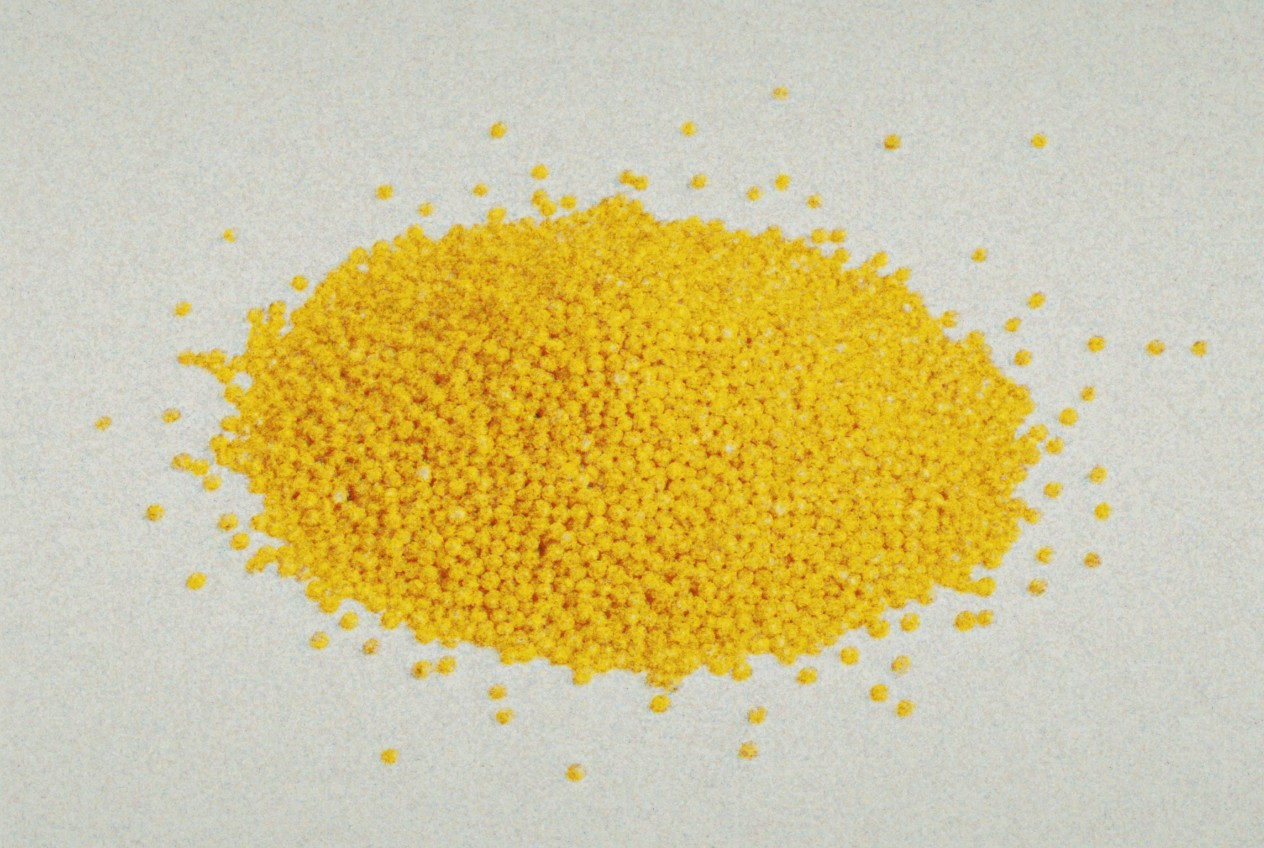
Millet
A small, gluten-free grain that's a staple across Africa and Asia, notably alkaline-forming compared to most grains.
Energy
Gut Health
Bone Health
Serving
1 cup, cooked (174g)
Calories Per Serving
207
Key nutrients
Magnesium, phosphorus, fiber, manganese
Nutrient density
Not officially rated
Why it’s worth eating
Millet is a gluten-free grain packed with magnesium, phosphorus, and fiber. It helps lower cholesterol and supports digestive health. Use millet as a porridge, salad base, or in baking.
What you may notice
Energy stability
Digestive comfort
Markers worth tracking
Fasting blood glucose
Magnesium status
How to eat it
Toast dry millet in a pan for a few minutes before adding liquid, it deepens the flavor and helps the grains stay separate rather than turning mushy.
Pairs well with
Vitamin C foods, improves absorption of millet's non-heme iron
Legumes, rounds out the amino acid profile
Storage
Store uncooked millet in an airtight container in a cool, dry place; keeps for up to a year.
The numbers, per 1 cup, cooked (174g)
0%
Vitamin K
0%
Vitamin A
0%
Vitamin C
0%
Calcium
6%
Iron
18%
Magnesium
2%
Potassium
0%
Vitamin B12
0%
Vitamin D
Fiber
2.3g
Millet, cooked (FDC 169704)
Evidence
D
HONEST FLAG: the best-documented millet finding is a caution, not a benefit. Goitrogenic potential is well documented mechanistically and in animals; the human link is epidemiological. Frequently omitted from millet marketing.
Study dose vs. serving
Pearl millet C-glycosylflavones suppressed up to 85% of thyroid peroxidase activity in vitro, and bran fractions increased thyroid weight in rats - effects akin to low-dose methimazole. Purified vitexin confirmed antithyroid activity in vivo.
Gaitan E, Lindsay RH, Reichert RD, Ingbar SH, et al. J Clin Endocrinol Metab. 1989;68(4):707-714. DOI 10.1210/jcem-68-4-707. PMID 2921306.
Use caution if
You have hypothyroidism, millet contains goitrogenic compounds; cooking and varied diet reduce the impact
You're newly increasing fiber intake, introduce gradually
Details
Type
Carbs
Season
Pantry, year-round
Forms
Whole grain, flour, puffed
Price
Budget
Bioactive
C-glycosylflavones (vitexin, glucosylorientin)
Heat stable
Partial
Watch
GOITROGENIC. Endemic goitre is documented in iodine-deficient, millet-dependent regions. Relevant with high habitual intake plus low iodine. Naturally gluten-free.
Reliability
3 / 5
More for Energy & Metabolism


