Gut Health
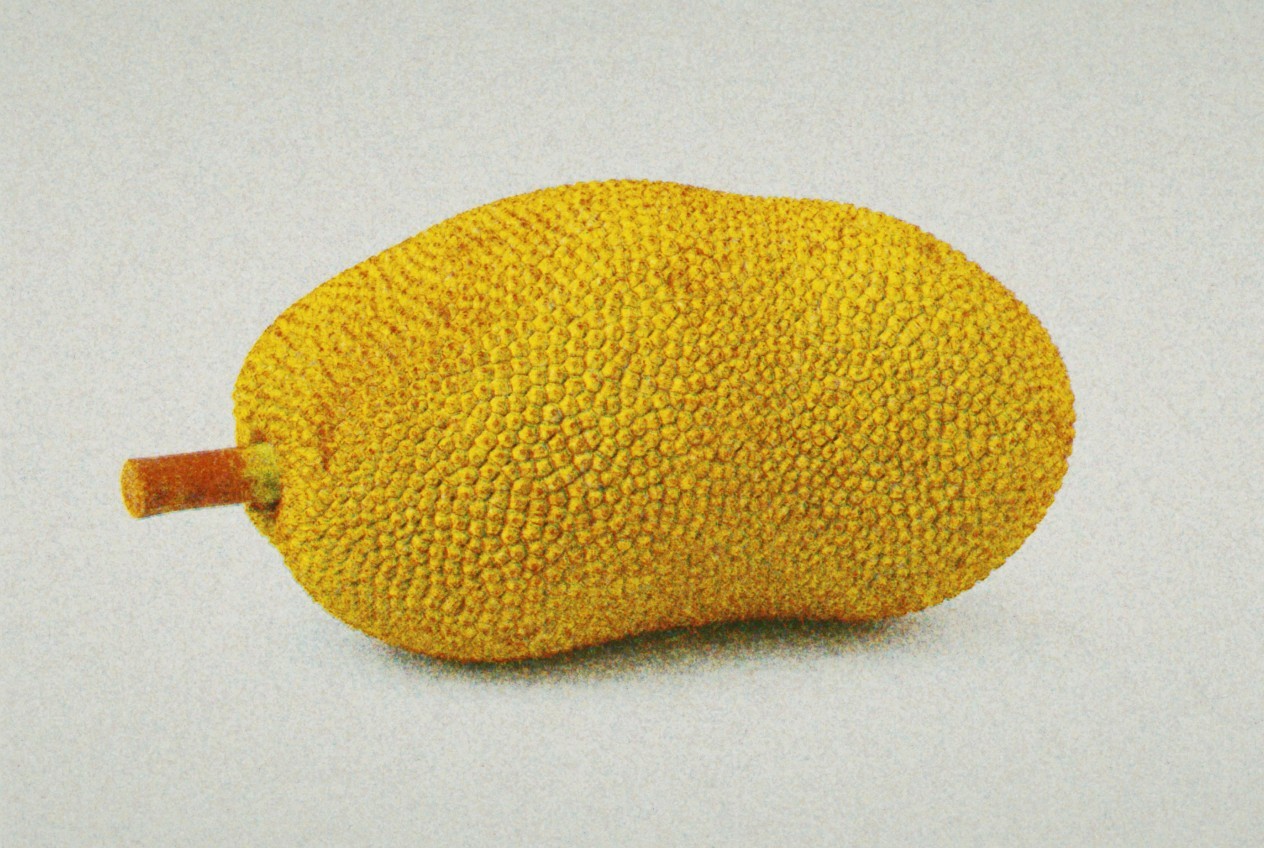
Jackfruit
A large tropical fruit whose unripe flesh has become a popular meat substitute for its fibrous, shreddable texture.
Gut Health
Energy
Immunity
Serving
1 cup, ripe, sliced (165g)
Calories Per Serving
157
Key nutrients
Fiber, potassium, vitamin C, plant protein (modest)
Nutrient density
Not officially rated
Why it’s worth eating
Jackfruit is high in vitamin C, potassium, and fiber. It supports immune health and serves as a versatile meat substitute in savory dishes.
What you may notice
Satiety after meals
Digestive comfort
Markers worth tracking
Fasting blood glucose
Potassium levels
How to eat it
Use unripe (green) jackfruit in canned brine or water for savory, meat-substitute dishes; ripe jackfruit is sweet and eaten as fruit, not as a meat alternative.
Pairs well with
Spices and marinades, unripe jackfruit has a neutral flavor that takes on whatever it's cooked with, similar to tofu
Vitamin C foods, complements jackfruit's own vitamin C when eaten ripe
Storage
Refrigerate cut ripe jackfruit and use within a few days; canned unripe jackfruit keeps in the pantry until opened.
The numbers, per 1 cup, ripe, sliced (165g)
0%
Vitamin K
1%
Vitamin A
25%
Vitamin C
3%
Calcium
2%
Iron
11%
Magnesium
16%
Potassium
0%
Vitamin B12
0%
Vitamin D
Fiber
2.5g
Jackfruit, raw (FDC 174687)
Evidence
D
HONEST FLAG: no substantial jackfruit-specific human outcome trials. Its use as a meat analogue is a culinary claim, not a health claim.
Study dose vs. serving
No established human dose-response.
No jackfruit-specific outcome trial located.
Use caution if
You have a latex or birch pollen allergy, jackfruit can cross-react
You're managing blood sugar closely, ripe jackfruit is fairly high in natural sugar
Details
Type
Fruits & Veg
Season
Imported, year-round
Forms
Fresh, canned (young, in brine), dried, flour
Price
Mid
Bioactive
Carbohydrate and fibre; composition-only
Heat stable
Yes
Reliability
2 / 5
More for Gut Health


