Gut Health
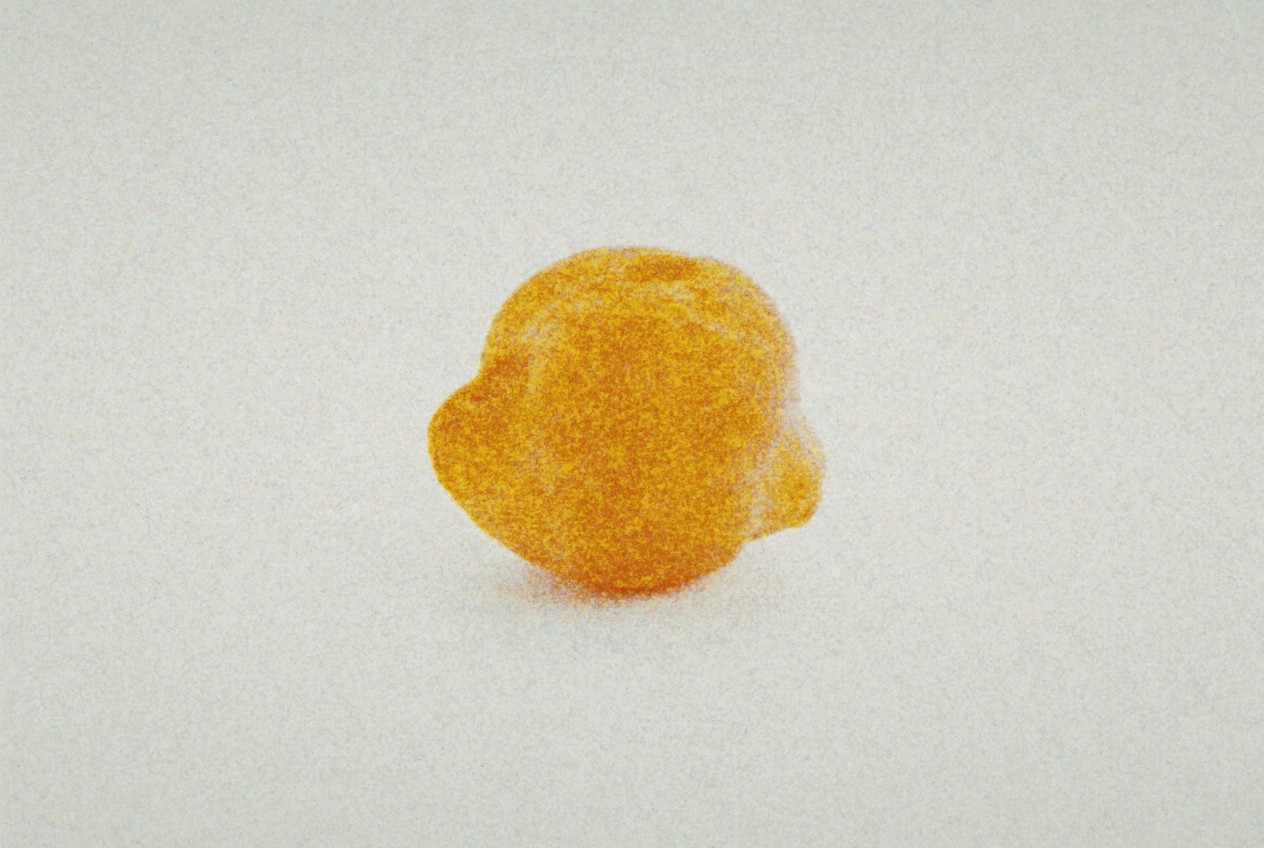
Chickpeas
A versatile legume that's a foundational plant protein in cuisines worldwide, from hummus to curries.
Heart Health
Gut Health
Energy
Serving
1 cup, cooked (164g)
Calories Per Serving
269
Key nutrients
Plant protein, fiber, folate, manganese
Nutrient density
57
Why it’s worth eating
Chickpeas are high in protein, fiber, and folate. They support digestive and heart health. Use in hummus, salads, stews, or roast them for a crunchy snack.
What you may notice
Satiety and digestive comfort
Energy stability
Markers worth tracking
Fasting blood glucose
Lipid panel
How to eat it
Save the liquid from cooked or canned chickpeas (aquafaba), it whips like egg whites and is a useful plant-based binding ingredient.
Pairs well with
Whole grains (pita, rice), completes the amino acid profile
Vitamin C foods, improves absorption of the chickpeas' non-heme iron
Storage
Store dried chickpeas in an airtight container indefinitely; refrigerate cooked chickpeas for 4-5 days.
The numbers, per 1 cup, cooked (164g)
5%
Vitamin K
0%
Vitamin A
2%
Vitamin C
6%
Calcium
26%
Iron
19%
Magnesium
10%
Potassium
0%
Vitamin B12
0%
Vitamin D
Fiber
12.5g
Chickpeas, mature seeds, cooked (FDC 173757)
Evidence
A
Pooled pulse evidence plus chickpea-specific satiety data on postprandial glucose and next-meal intake.
Study dose vs. serving
Median 130 g/day (about half to three-quarters cup cooked) lowered LDL 0.17 mmol/L (~5%). Glycemic trials averaged 152 g/day. Realistic serving, though the CMAJ authors note most North Americans would need to more than double current intake.
Ha V, Sievenpiper JL, de Souza RJ, et al. CMAJ. 2014;186(8):E252-262. DOI 10.1503/cmaj.131727. 26 RCTs, n=1037. Co-funded by Pulse Canada. Chickpea-specific: Zafar TA, Kabir Y. J Food Sci Technol. 2017;54:987-994. PMID 28303049.
Use caution if
You have IBS or are FODMAP-sensitive, legumes are a common trigger; rinsing canned chickpeas well can help
You take certain blood pressure medications, chickpeas are potassium-rich, worth tracking on a potassium-sparing diuretic
Details
Type
Fats
Season
Pantry, year-round
Forms
Dried, canned, flour (besan), sprouted
Price
Budget
Bioactive
Resistant starch and soluble fibre
Heat stable
Yes - cook-and-cool forms resistant starch
Watch
Phytates; soaking and cooking reduce them.
Reliability
4 / 5
More for Gut Health


